
Your venue books your date. Your date books everything else, from your caterer’s calendar to the season you’ll be shopping for a dress.
For many couples, the venue is one of the first big decisions to lock in, though there’s no wrong order to tackle wedding planning. However you get there, touring a gorgeous room and falling for the string lights is the easy part. Asking the right questions before you sign a contract is what actually protects your budget, your guest list, and your sanity on the big day!
We’re Sophia’s Bridal and Tux, and we talk to brides across Indiana and Kentucky every week who are right in the middle of this decision. Once your venue and date are locked in, your dress search starts on its own clock. Getting this part right early buys you room to actually enjoy the parts of planning you’re looking forward to, including the day you walk in for your own appointment.
Key Takeaways
- Lock a date range, not a single date. Flexibility opens up more venues and often better pricing.
- Build a rough guest list before you tour. It’s the single biggest filter for which venues are even worth visiting.
- Most couples spend 25 to 35 percent of their total wedding budget on the venue, and that figure usually includes catering, not just the rental fee.
- Ask for an itemized cost breakdown and a sample invoice from a past wedding at your guest count. The listed rental price is rarely the real number.
- Get vendor restrictions, noise curfews, and weather backup plans in writing before you sign anything.
- Most couples book a wedding venue 12 to 18 months ahead, and that date becomes the countdown for everything downstream, including your dress order and alteration timeline.
How to Choose a Wedding Venue: Where to Start
Before you tour a single space, there’s homework that makes every tour after it more productive. Picking a wedding venue without this groundwork means falling in love with places that don’t fit your guest list, your season, or your actual budget.
None of this takes long, but skipping it is the single biggest reason couples end up touring ten venues instead of three.
Set a Date Range, Not Just One Date
A fixed date shrinks your options fast. Saturday evenings between May and October are the most requested slots in Indiana, which means they book out first and cost the most.
Give yourself a short list of acceptable dates, including a weekday or a Sunday, and you’ll open up venues that would otherwise be unavailable or out of budget. Couples who insist on one exact Saturday should simply expect a shorter list to choose from and plan their search timeline around that reality.
Build a Rough Guest List
You don’t need a finalized list to start touring. A working number, even one that’s off by twenty people in either direction, is enough to rule venues in or out.
Guest count is the filter that determines which spaces are even worth your time. Nail this down before you start scheduling tours, not after.
Decide on Your Venue Style and Setting
Ballrooms, barns, gardens, industrial lofts, and historic buildings each set a completely different tone, and each comes with its own tradeoff. A barn gives you rustic charm but often means renting in everything down to the restrooms. A ballroom hands you built-in elegance but can feel generic without real decor investment. A garden or estate setting gives you a natural backdrop but puts weather squarely on your list of concerns.
Indiana and Kentucky happen to offer the full range, from downtown ballrooms to Brown County barns to lakeside settings. Our Keystone, Indianapolis location sits close enough to most of them that brides often tour venues and visit us in the same week.
Outdoor and rustic settings also tend to need a weather backup conversation earlier in the process, which we’ll get to later on.

How to Choose a Wedding Venue: A Few Local Options to Start With
If you want a jumping-off point, here are a few popular venues across the Indianapolis and Carmel area, each with a different feel:
| Venue | Style | Area |
|---|---|---|
| INDUSTRY | Industrial, blank canvas | Downtown Indianapolis |
| BASH | Industrial chic, blank canvas | Carmel |
| Ritz Charles | Classic ballroom and garden | Carmel |
| The Bridgewater Club | Country club elegance | Carmel |
| Black Iris Estate | Garden and estate | Carmel |
This is nowhere close to the full list, just a starting point to get a feel for what’s out there before you start touring. Every one of these books up fast, especially for peak season dates, so once a style catches your eye, reach out and get a tour on the calendar.

What to Notice During Your Venue Tour
A tour is easy to get swept up in. The lighting is flattering, the staff is charming, and it’s tempting to say yes on the spot. A few deliberate habits during the walkthrough will tell you more than the sales pitch will.
Room Shape and Flow
Before you focus on decor, picture the room full. An oddly shaped space, a room split by support columns, or a layout with one narrow entry point can bottleneck guests and make a reception feel cramped even at the right headcount. Walk the space and mentally place your dance floor, your tables, your bar, and your DJ or band before you fall for the aesthetic.
Lighting at Your Actual Wedding Time
A venue viewed at 10 a.m. looks nothing like it will at 6 p.m. If your ceremony or reception falls in the evening, tour at that same time of day if you can, or at minimum ask to see photos from a past event at that hour. Natural light that pours in beautifully at noon can disappear entirely by your cocktail hour, and that affects both your guests’ comfort and your photographer’s options.
Reading the Staff
Pay attention to how the staff treats you on the tour itself, not just what they say. A coordinator who’s attentive, answers questions directly, and doesn’t rush you is a good sign of what day-of communication will feel like. A distracted or pushy sales approach on a tour rarely improves once a deposit is on the table.
Questions to Ask About Cost and What’s Included
The number on a venue’s website is rarely the number you’ll actually pay. A wedding venue quoted at three thousand dollars can easily become twice that once catering, service charges, and required add-ons are factored in.
Asking the right cost questions upfront is what keeps your real budget from blowing past your planned one.
What Does the Rental Fee Actually Cover
Some venues include tables, chairs, linens, and setup staff in the base rental. Others charge for every one of those separately.
Ask for an itemized breakdown of what’s included versus billed as an add-on, and request a sample invoice from a recent wedding at a similar guest count. That single document tells you more about real cost than any marketing page will.
Catering Minimums and Service Charges
Food and beverage minimums often end up costing more than the venue rental itself. Service charges in the eighteen to twenty-two percent range are common and easy to overlook when you’re adding up numbers in your head.
Confirm whether the minimum is per person or a flat dollar amount. Couples frequently confuse the two and end up surprised at the final invoice.
Deposit and Payment Schedule
Find out how much the deposit is, how many payments follow, and when each one is due. Just as important, find out what happens to that deposit if your plans change.
A clear payment schedule in writing now saves an uncomfortable negotiation later.

Questions to Ask About Capacity and Layout
A room that fits two hundred people on paper can still feel wrong for your wedding. Capacity numbers are only useful once you know what they actually mean for your specific guest count and layout.
Recommended Guest Count vs. Maximum Capacity
Request the coordinator’s recommended guest count for your specific setup, not just their advertised maximum. A band takes up more floor space than a DJ booth. A cocktail hour, a cake table, and a dance floor all eat into the room before a single guest sits down.
The number that matters is the one built around your actual reception, not the venue’s ceiling.
Ceremony and Reception in One Space or Two
Not every venue is licensed or laid out to host both your ceremony and your reception. Confirm this directly rather than assuming.
If the same room will serve both purposes, find out exactly how long your guests will be asked to step outside during the changeover. A thirty-minute flip can feel endless without a plan to keep people occupied.
Questions to Ask About Vendor Policies
This is where the restrictions that looked minor on a tour turn into real costs or real frustration later. Catering, decor, and alcohol each carry their own common pitfalls, so it’s worth asking about each one separately rather than assuming a single yes covers all of them.
In-House vs. Outside Catering
Venues generally fall into one of three models: in-house catering required, a preferred vendor list you choose from, or a fully open policy where you hire anyone licensed. Each one trades flexibility for convenience differently.
If you have dietary needs or a specific cuisine in mind, raise it with the caterer early. Never assume it’s covered just because the venue didn’t mention a problem.
Decor, Candle, and Noise Restrictions
Open flame policies, confetti or petal bans, and decibel limits can all shape your night more than you’d expect. A ten o’clock noise curfew, in particular, can end your dance floor far earlier than you planned for.
Get every restriction in writing. A verbal “that should be fine” from a tour guide isn’t the same as a contract term.
Alcohol and Vendor Exclusivity
Find out whether the venue holds a liquor license, whether outside alcohol is allowed, and whether a corkage fee applies if you bring your own wine. Also check whether you’re required to use an in-house DJ, florist, or photographer.
A mandatory in-house vendor at a premium price is a real cost difference, and it’s one you want to know about before you sign, not after.

Questions to Ask About Day-Of Logistics
Beyond cost and policy, a handful of day-of details shape how comfortable and smooth your actual wedding day feels.
Getting-Ready Spaces for You and Your Party
A dedicated bridal suite, plus a separate space for the groom and his crew to get into their tuxes, saves real time and gives your photographer far better light to work with than a cramped hallway.
Check whether these spaces are included in your rental or cost extra, how many people they comfortably fit, and whether there’s natural light. It’s a small question that makes a noticeably big difference in your getting-ready photos.
Weather Backup Plans
Any outdoor or partially outdoor venue needs a real contingency plan, not a vague promise. Find out whether there’s an indoor space that holds your full guest count, who provides tenting if it’s needed, and how late in the process the decision to move everything inside gets made.
“We’ll figure it out” is not an acceptable answer here. Insist on getting the actual plan in writing.
Parking and Guest Accommodations
Parking availability, valet or shuttle options, and accessibility for guests with mobility needs all affect the overall guest experience more than most couples plan for.
If you expect a meaningful number of out-of-town guests, ask about nearby hotels and whether the venue can help coordinate a room block. Sorting this out before you book saves you from scrambling for hotel rooms three months before the wedding.
How Far in Advance Should You Book a Venue in Indiana
Most couples lock in their wedding venue twelve to eighteen months ahead of their date. In Indiana, that window shrinks further for anything booked during peak season, roughly May through October, when demand runs highest.
Once your venue and date are confirmed, that date becomes the countdown for everything else on your list, including your gown. Wedding dresses usually need some time to order and alter, so earlier is always a nice head start. But if your timeline is shorter, or you’re not locked into a date yet, there’s no need to stress. We offer designer quick ship options, rush options, and off the rack samples, so whatever timeline you’re working with, we’ll meet you where you are and walk you through what’s possible.

Contract Details to Confirm Before You Sign
Before you sign anything, pull together the loose threads from your cost and policy conversations into one final checkpoint.
Cancellation and Rescheduling Terms
Find out what happens if your plans change: whether postponement is allowed, whether any portion of your deposit is refundable, and whether a date change carries an additional fee.
Ask this even if you don’t expect to need it. It’s far easier to negotiate before you sign than after.
What Happens If the Venue Closes
Look for force majeure language that covers what happens if the venue itself closes or becomes unavailable before your date.
It’s a less common concern, but one clear question here can save you a genuine headache down the line.
Frequently Asked Questions
A few quick, direct answers to the questions couples ask most often once they start comparing venues.
When Should You Start Looking for a Venue
Twelve to eighteen months before your date is the standard window. Popular venues or in-demand dates often require even more lead time than that.
What Percentage of Your Budget Should Go to the Venue
Most couples spend twenty-five to thirty-five percent of their total wedding budget on the venue, and that figure typically includes catering, not just the rental fee by itself.
Should You Book the Venue Before Setting a Date
Some couples pick a venue first and build their date around its availability. Others lock a date first and search for venues that have it open.
Neither approach is wrong. Couples with a flexible timeline tend to do better picking the venue first, while couples with a meaningful date in mind, like an anniversary or a specific season, tend to do better locking the date and working backward.

Ready to Find Your Dress? Book Your Appointment at Sophia’s Bridal and Tux
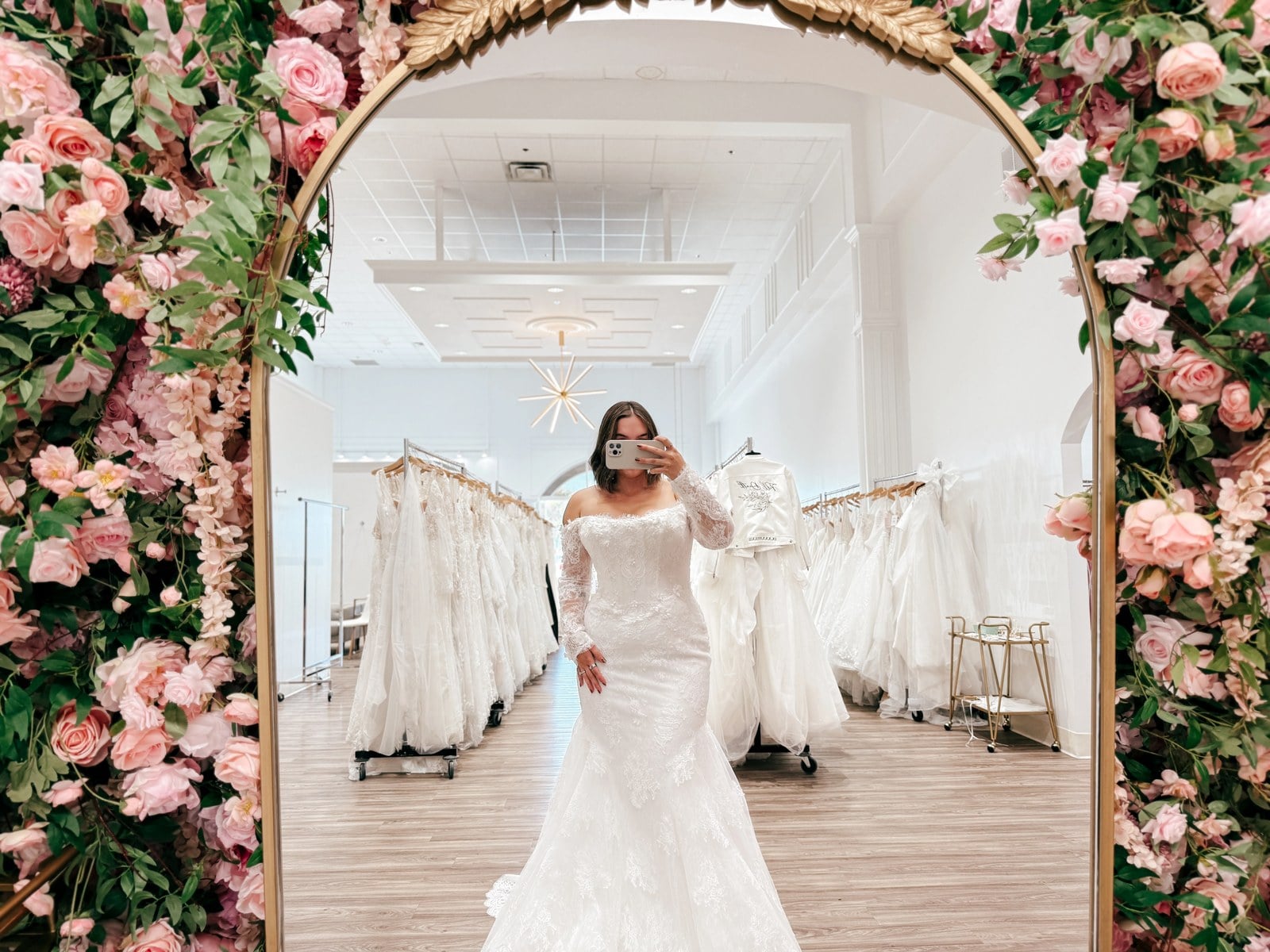
Whatever order you’re tackling things in, your dress search can start whenever you’re ready. A rough date in mind helps, but it’s not a requirement. We carry one of the widest ranges of styles and sizes in the region, and every appointment is personalized around the bride in front of us, not a one-size-fits-all script.
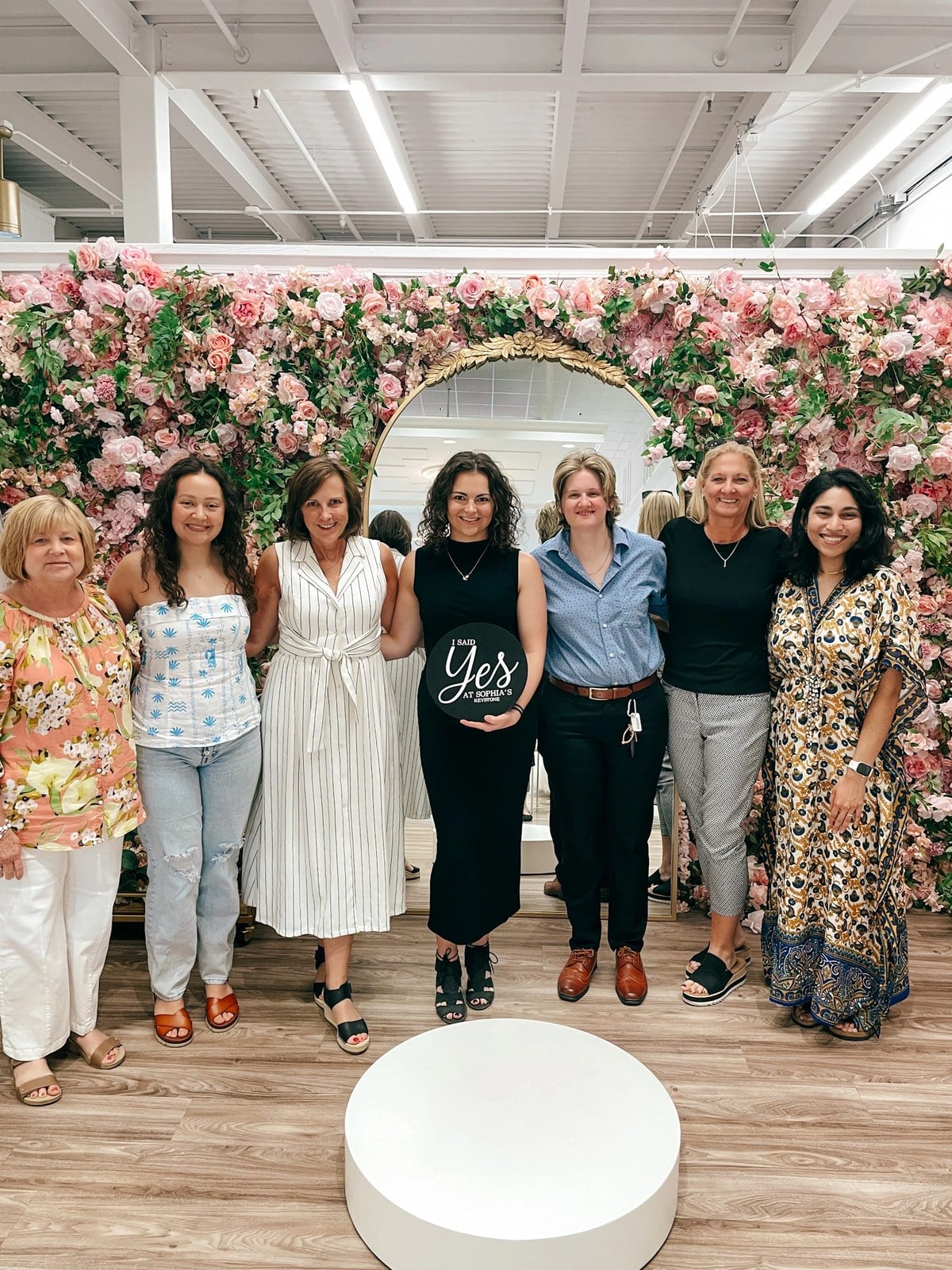
Our Keystone, Indianapolis team would love to be part of this next step. Come find your dress with us, we can’t wait to meet you.


0 Comments