
Engagement rings get the celebration. The timeline that follows gets the anxiety. The congratulations barely die down before someone asks when you’re getting married, and suddenly a dozen more questions stack up behind it.
When do you book a venue? When do you shop for a dress? When does it actually become too late to pull this off well?
Most guides answer those questions with one rigid calendar, as if every couple works from the same budget, the same guest list, and the same engagement length. Learning how to plan a wedding timeline that fits your actual circumstances starts with understanding which tasks genuinely depend on timing and which ones have more flexibility than the internet wants you to believe. This guide walks through both, in an order that holds up no matter how long your engagement runs.
At Sophia’s Bridal and Tux, we spend our days helping brides figure out exactly this: not just what to wear, but when the pieces of a wedding actually need to fall into place. If you’re newly engaged and starting to map out your own timeline, consider this your starting point.
Why Every Wedding Timeline Looks a Little Different
Understanding how to plan a wedding timeline that fits your circumstances starts with recognizing why no two engagements run on the same clock.
Engagement length is the biggest variable. A couple with a long runway and a couple planning within months are both planning weddings, just moving through the same tasks at different speeds. Venue availability matters just as much, since a popular space booked out for peak season can shift your date more than any other single decision. Guest count changes what’s realistic for a caterer or rental company to accommodate on short notice, and the season you’re drawn to affects how early certain vendors need to be locked in.
Articles that promise one universal wedding planning timeline are usually describing an average engagement, and averages rarely describe anyone’s actual wedding. A shorter engagement doesn’t mean a smaller celebration, it just means reordering priorities so the most time-sensitive decisions happen first. A longer engagement doesn’t guarantee less stress either, since tasks have a way of expanding to fill whatever time is available.
What matters most is understanding which tasks depend on others finishing first, not hitting a specific month marker because a checklist told you to.
How to Plan a Wedding Timeline in Three Simple Phases
Instead of a month-by-month countdown, it helps to think of wedding planning in three broad phases. Each one has a natural focus, and moving through them in order is what keeps a timeline manageable.
The length of each phase will stretch or compress depending on your engagement, but the sequence itself holds steady regardless of how much time you’re working with. Some tasks genuinely depend on others finishing first. You can’t meaningfully book date-specific rentals before a venue is confirmed, and you can’t finalize a guest list without a rough sense of budget.
The Early Planning Phase
The earliest phase is about big, structural decisions rather than details. This is when budget conversations happen, when you and your partner talk through what actually matters most for your day, and when venue research begins in earnest. Venue availability shapes your date and your realistic guest count, so it’s worth getting on the calendar early, whether that means booking tours or simply starting the search.
This same window is also a great time to start thinking about wedding attire, and for a lot of brides, the dress search starts here too, sometimes even before the venue is settled. Wedding gowns and formalwear both benefit from a long lead time, so there’s no need to wait on one before starting the other. Following a boutique like Sophia’s on social media or taking a few minutes with our style quiz during this window is a low-pressure way to start forming a vision, whichever decision ends up coming first for you.
The Middle Planning Phase
The middle phase is where most of the actual legwork happens, and it’s usually the busiest stretch of the entire process. Vendor contracts get signed, stationery gets ordered, and this is the window where attire shopping genuinely begins.
It’s a lot at once, and it’s worth acknowledging that upfront rather than pretending every task deserves equal urgency the same week. This is also exactly where an appointment-based shopping experience earns its keep. Shopping with real lead time, rather than squeezing in a rushed purchase later, leaves room for proper fittings, alteration appointments, and any special requests you didn’t know you wanted until you saw them in person.
The Final Countdown Phase
By the final phase, the big decisions are already behind you, and the work shifts toward confirmation rather than choice. This is when alterations get finished, vendors confirm timing and logistics one last time, and the actual day-of schedule comes together.
Very little here should require a brand-new decision. Most of it is simply tying off what’s already in motion. If the earlier phases were paced reasonably, this stretch should feel lighter than the middle phase, not heavier. That’s one of the clearest signs a timeline actually worked.
Setting Your Wedding Date and Why Timing Matters
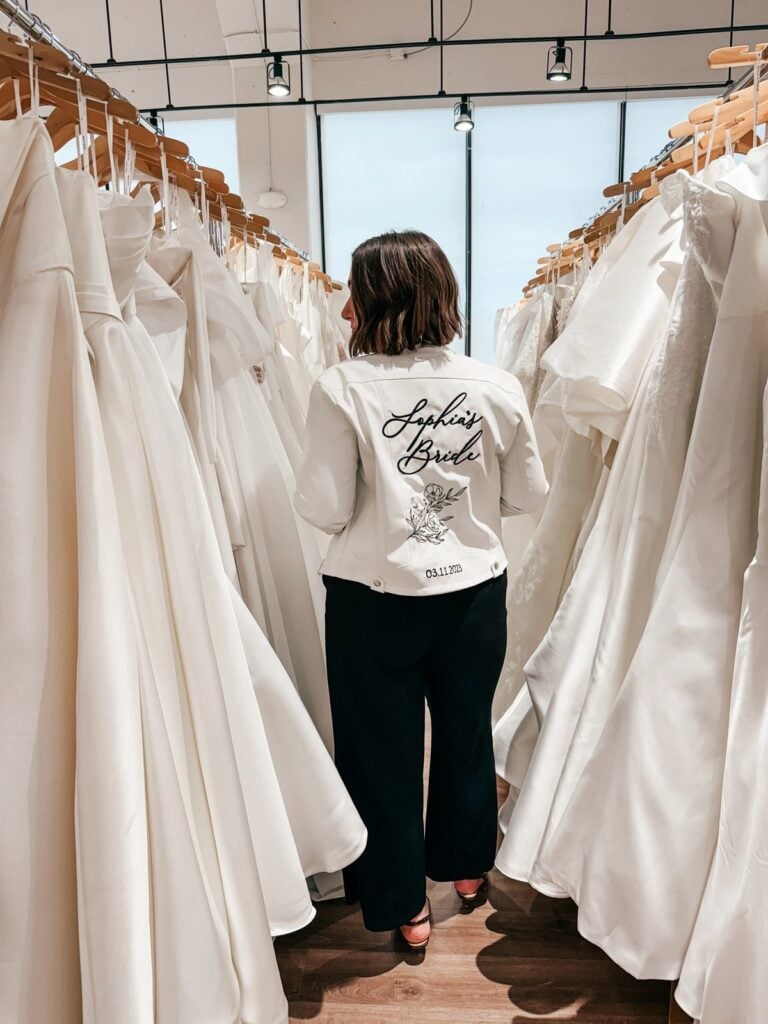
Your wedding date is the single decision that reshapes every other piece of the timeline behind it. Venue availability narrows the moment a date is set, vendor pricing and availability shift depending on how in-demand that particular weekend is, and even how much lead time is realistic for attire depends partly on when the wedding falls.
Seasonality plays a bigger role in this than most couples expect going in. The most popular wedding months fill venue and vendor calendars the fastest, which means a date during peak season often needs to be locked in much earlier than a date during a quieter stretch of the year. A weekday wedding or an off-season month can open up noticeably more flexibility, both in availability and often in cost, simply because there’s less competition for that date.
It’s also worth saying plainly that it’s completely fine to take time landing on a date you’re excited about. There’s often pressure to pick something quickly just to have an answer ready when people ask, but a date chosen under pressure rarely feels as good in hindsight as one chosen with a clear head.
Building a Budget That Shapes Your Timeline
Budget conversations need to happen early because nearly every other decision downstream depends on the number you land on. Guest count, venue choice, and how spending gets distributed across categories all trace back to this one conversation.
Rather than spreading a budget evenly across every category, identify what actually matters most to you as a couple first. Maybe that’s an extraordinary venue, maybe it’s live music, maybe it’s the dress itself. Once that priority is clear, you can plan your timeline around securing it first, while categories that matter less to you flex around whatever’s left.
If family members are contributing financially, that conversation is worth having early too. Discussing contributions upfront, rather than assuming they’ll materialize later, prevents the kind of mid-planning surprise that can derail a budget and, by extension, the timeline built around it.
Choosing Your Venue
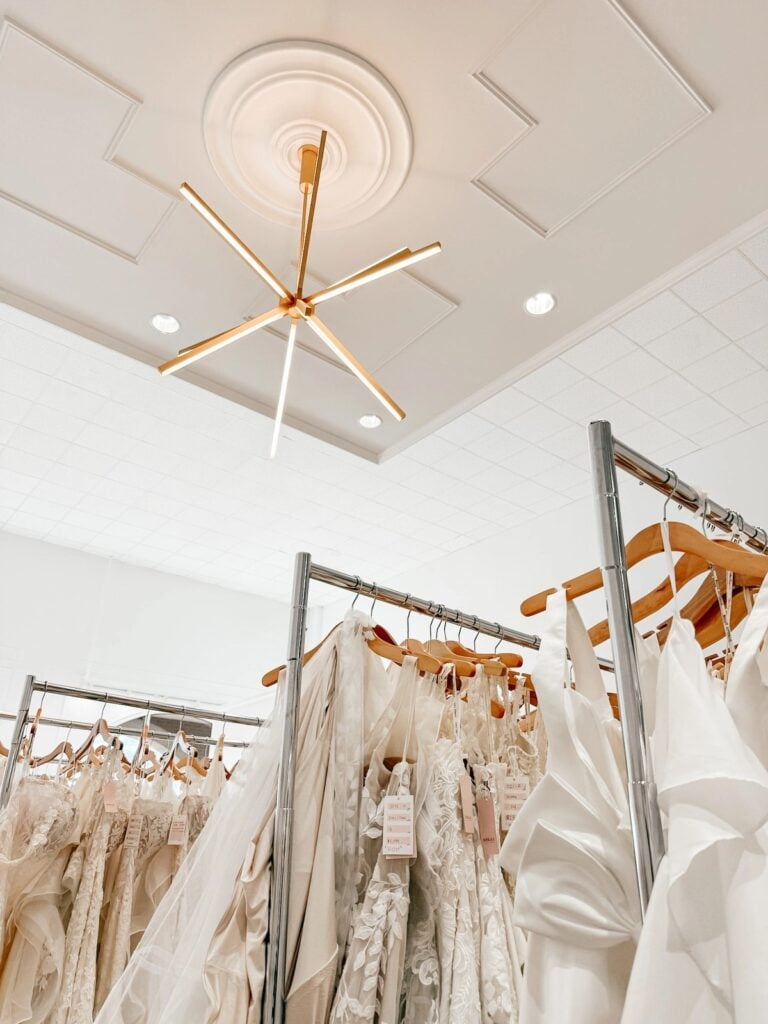
Venue selection functions as the anchor for a lot of the logistics that follow. Once a venue is booked, it locks in both your date and a realistic guest capacity, and vendors you bring on afterward often work around whatever that space allows.
That said, venue doesn’t have to come first for everyone, and plenty of brides find their dress before the venue is locked in. It’s common to come in with a shortlist of favorite venues, a few tours already scheduled, and the dress search already underway alongside it. Whatever you’re most excited about first is a perfectly good place to start, there’s no required order.
Looking past aesthetics matters once you do start touring venues. Availability for your desired season is the obvious factor, but it’s worth understanding exactly what’s included in a venue’s package versus what you’ll need to source separately, since that distinction affects your budget and your remaining to-do list in equal measure. Popular venues, particularly ones with a reputation for a specific style of wedding, often book out well in advance.
Once the venue is settled, there’s a noticeable shift in momentum. For many couples it’s the first real lock-in moment of the process, and everything else starts moving more easily once it’s behind you.
Building Your Guest List Early On
Guest count needs to be roughly settled earlier than most people expect, mainly because it affects so much else. Venue capacity, catering costs, and even how formal or intimate the day ultimately feels all trace back to this number, which makes it a poor candidate for last-minute adjustment.
The conversations that come with building a guest list are rarely simple. Plus-one policies, extended family expectations, and the inevitable moment where a list has grown larger than planned are all common, and none of them mean you’re doing it wrong.
The most straightforward approach is usually to set a target number early, sort names into clear tiers of priority, and revisit the full list together before anything gets finalized with your venue or caterer. Trimming a list that’s grown too large is far easier to do calmly in this phase than under pressure closer to the wedding.
When to Start Shopping for Your Wedding Dress
Wedding gowns operate on a dramatically different timeline than almost anything else on this list, and it’s the single most common reason brides end up stressed about attire late in the process. Between the time it takes a designer to construct a gown from order to delivery, and the alteration work that follows once it arrives, a dress needs significantly more lead time than most other wedding purchases.
This isn’t about rushing a decision under pressure. It’s about making sure there’s enough room left over for the dress to be properly yours by the time your wedding arrives, fittings included.
This is exactly the kind of timing question our stylists at our Northside, Indianapolis location walk brides through every day. Stylists measure you and guide the designer, fabric, and timeline details together, in person, so the process feels like having an expert in your corner rather than homework you have to complete alone first.
Why Tuxedo and Suit Shopping Works on a Different Timeline
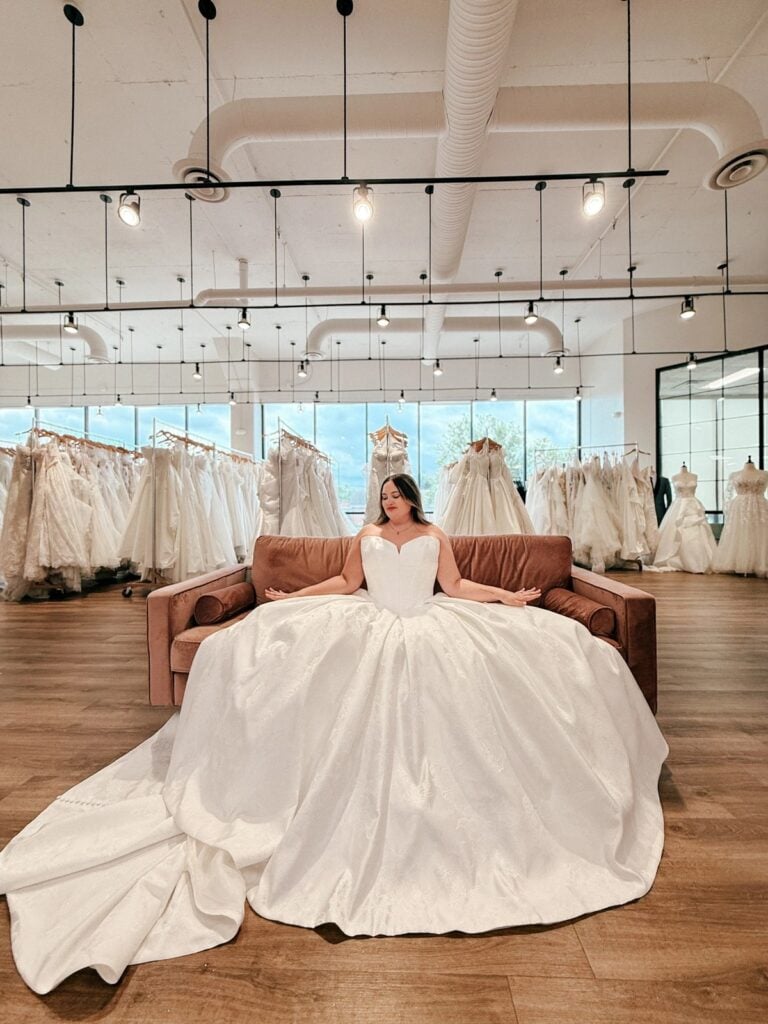
Formalwear for the groom and groomsmen moves on a noticeably shorter timeline than bridal gowns, mainly because production and alteration turnaround both happen much faster for suits and tuxedos. That difference isn’t a flaw in the process. It’s useful information once you understand it, because it means the groom’s side of the wedding party can comfortably wait while the bride’s side gets a head start on hers.
Knowing this upfront takes pressure off couples who assume every piece of attire needs to be locked in on the same calendar. It doesn’t. Our tux selection is built around exactly this kind of flexibility, letting grooms and groomsmen shop closer to the wedding without sacrificing fit or style.
Dressing Your Wedding Party and Family
Once the bride and groom’s looks are settled, the rest of the wedding party and family attire naturally follows. Their choices help establish a palette and a formality level, which makes it much easier for everyone else to shop with a clear target instead of guessing at what will actually coordinate well on the day.
Mother of the Bride and Groom Attire
Mother of the bride and mother of the groom shopping tends to happen later in the process than the bridal gown, but it still benefits from starting earlier rather than closer to the date. Most mothers want their look to feel loosely connected to the wedding’s overall palette without matching it exactly, which takes a little more consideration than simply grabbing something off the rack close to the date.
It’s easy for this part of the planning to feel like an afterthought, something squeezed in once the bigger decisions are settled. At Sophia’s, we see it differently. A mother’s appointment gets the same personalized attention as the bridal appointment itself, because she’s not an add-on to the celebration, she’s a central part of it.
Starting this conversation earlier than feels urgent pays off. It gives everyone time to find something that feels right rather than settling, and it makes the day feel considered for every person standing in it, not just the couple.
Coordinating Looks Without the Overwhelm
Coordinating a wedding party’s look doesn’t require everyone to match precisely, and trying to force that level of uniformity usually creates more stress than it solves. A shared color family or a consistent formality level does far more visual work than identical fabric or cut ever will.
There’s no single correct way for a wedding party to look, and giving people some room within a general direction tends to make everyone, including you, considerably more comfortable with the end result.
Booking Vendors Without the Stress
Vendor categories don’t all operate on the same booking timeline, and understanding which ones book out the furthest in advance makes the entire process less stressful. Photographers and videographers are frequently booked well ahead of the wedding itself, since there are a limited number of working weekends in any given year. Popular venues and florists during peak season face similar constraints, simply because demand clusters around the same stretch of months every year.
Comparing vendors without falling into decision fatigue usually comes down to asking a few questions that actually matter, rather than evaluating everyone on the same generic checklist. Availability for your date, what’s included in their packages, and how they handle changes or delays reveal more about fit than portfolio browsing alone.
Booking vendors doesn’t need to happen in one frantic sprint. There’s a natural order to it, and moving through that order steadily is far more manageable than trying to finalize everyone in the same week.
Sending Save-the-Dates and Invitations
Save-the-dates and formal invitations serve two different purposes, and conflating their timing is a common source of confusion. Save-the-dates exist mainly to give guests early notice so they can plan travel and clear their calendars, which means they need to go out well before any RSVP logistics come into play.
Formal invitations, by contrast, carry the actual event details and RSVP deadline. They’re timed around giving guests enough notice to respond without sitting on the information for months.
Out-of-town guests change this calculus slightly, since travel planning takes longer than a local guest simply marking a calendar. If a meaningful portion of your guest list is traveling from elsewhere, or if you’re planning a destination wedding, both save-the-dates and invitations generally need to go out earlier. Mail timing itself is also worth building a buffer for, since postal delays happen more often than anyone expects right when it matters most.
Planning Hair, Makeup, and Beauty Appointments
Hair and makeup bookings need more lead time than most couples anticipate, particularly for stylists who are already in high demand for weekend wedding work. Reaching out earlier gives you a meaningfully better shot at securing someone whose work you genuinely love, rather than settling for whoever happens to still have your date open.
A trial appointment matters for more than just confirming a look you’re happy with. It’s also a practical logistics check, giving you a sense of how long the actual process takes on the morning of, which directly informs how your wedding-day schedule gets built.
Everyone’s beauty routine looks a little different, and there’s no single right way to approach this step. What matters is giving yourself enough time to feel completely confident, however that looks for you.
Finalizing the Details in Your Final Months
As the wedding gets closer, the work shifts noticeably toward confirmation rather than fresh decisions. Final headcounts need to go to your caterer and venue, seating logistics need to be worked out, vendors need one last confirmation of timing, and any remaining alterations need to be completed with enough buffer to account for last-minute adjustments.
This stretch tends to go smoothly for couples who made their big decisions earlier in the process, and less smoothly for those still making major calls this close to the day. If you’ve paced the earlier phases well, this period should feel like refinement, not reinvention.
What to Handle in the Last Few Weeks
The final weeks are about tying off logistics, not adding new ones. Vendor arrival times should get one last confirmation, the actual day-of schedule should be finalized and shared with everyone who needs it, and it’s worth designating someone other than yourselves (a parent, a planner, or a close friend) as the point of contact for any last-minute questions. That way, you’re not the one fielding logistics texts on your own wedding day.
It’s also worth protecting some genuine downtime in this stretch rather than packing every remaining day with tasks. The closer you get to the wedding, the more valuable a quiet evening or an unscheduled afternoon becomes.
Keeping Your Wedding Planning Timeline Flexible
A timeline is a guide, not a contract, and treating it like the second one is where most of the stress creeps in. Life shifts things no matter how carefully a plan gets built: a vendor’s schedule changes, a family circumstance shifts, a venue has to adjust something on their end. None of that means the plan failed.
Building in buffer time between major tasks, rather than scheduling everything back to back, gives you room to absorb those shifts without feeling derailed by them. Revisiting your wedding planning timeline every so often, rather than setting it once and never looking at it again, keeps it a useful tool instead of a source of guilt.
The more flexible you let it be, the less stress it actually produces, which is exactly why having support through the process matters as much as having a plan in the first place.
How Sophia’s Stylists Help You Stay on Track
Throughout this entire process, the hardest part usually isn’t making decisions, it’s knowing when each decision actually needs to happen. That’s the piece our stylists handle for you. Rather than expecting brides to arrive with designer research, alteration timelines, and fabric knowledge already figured out, we guide that conversation together, in the appointment itself, so none of it has to be solved alone beforehand.
You don’t need a finalized date or a fully formed vision to book time with us. Showing up open and excited is genuinely enough.
Appointments flex around real life too. Bring whoever you want to be part of the moment, larger groups tend to work especially well on weekdays, and family members who can’t make it in person can still be part of the experience remotely, including the reveal itself. Every appointment is shaped around the bride in front of us, not a script everyone gets run through the same way.
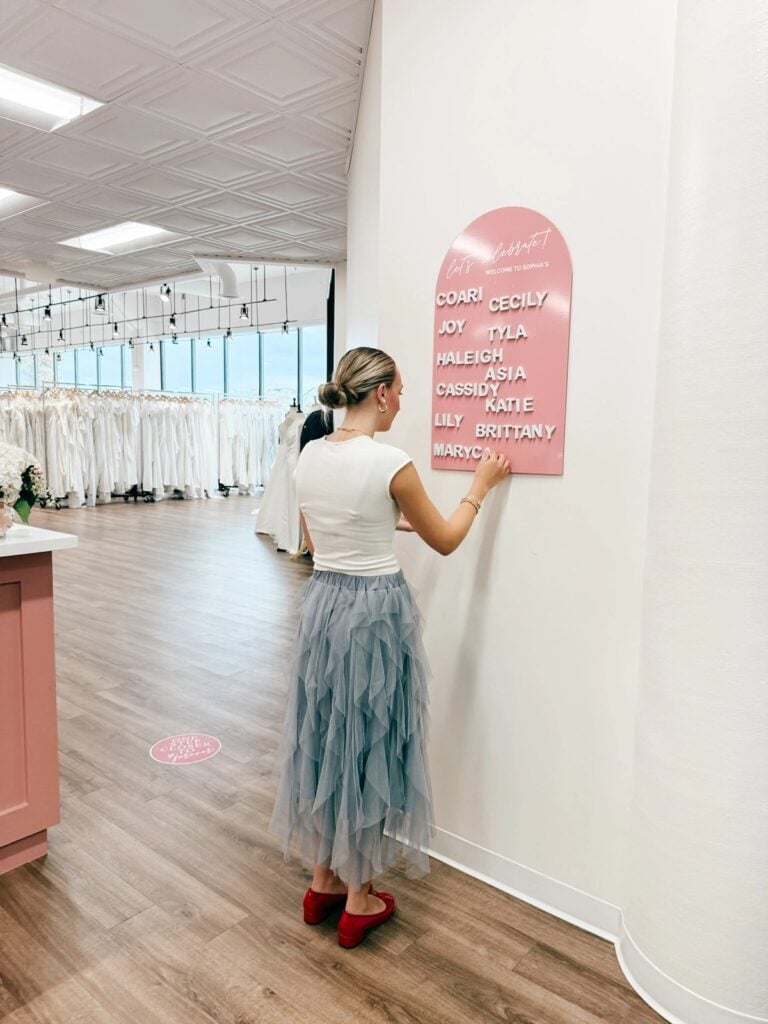
Ready to Start Your Wedding Timeline? Book Your Appointment at Sophia’s Bridal and Tux
Stop by our Northside, Indianapolis showroom or make an appointment online to begin, whenever you’re ready. We’ll handle the timing details while you enjoy the moment.



0 Comments